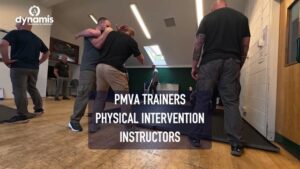
During our 2015 Advanced Control Tactics instructor-level training certification, Coach Tony Torres explained some of his experience and functional, pragmatic ideas about why pain-compliance holds should not be used during the “Control” phase of an incident.
We define the “Control Phase” as the early-stage and often rapidly-unfolding physical interaction between subject and intervening staff. It is characterised by sudden, violent movement, resistance against force, and intense stress.
💡 Key insight: Instead of seeking pain compliance during the Control Phase, Coach Torres prefers to seek out positions which restrict the subject’s mobility — for greater functional effectiveness.
A successful Control Phase in turn leads to the “Restraint Phase,” where the actions of staff become more organised and orchestrated. Rather than relying on pain-compliance holds during the chaos of Control, the priority should be functional restriction of mobility.
For details of trainer courses: dynamis.training